
Biodynamic Cukes Shown to Outlast Conventional and Organic
How can we make the benefits of Biodynamic farming clear to our customers in a way that is relevant and relatable? A recent study published in the journal Applied Field Research attempted to do just that through a comparison of the longevity and degradation after harvest of cucumbers grown with a variety of methods.
Researchers used a recently developed Stress Storage Test of cucumbers grown under three methods of cultivation: conventional, organic, and Biodynamic. Twelve cucumbers from each growing method were gathered from local markets (supermarkets, health food stores, markets, and wholesalers), sliced into discs, wrapped in transparent polyethylene foil, and stored at 74.3 degrees Fahrenheit for two weeks. They were then scored by independent laboratories based on three different criteria.
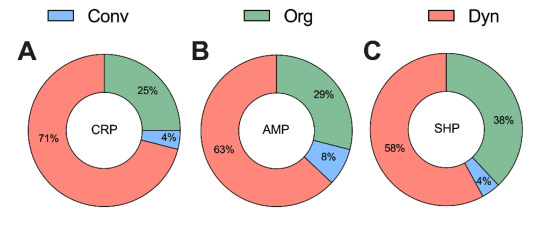
The 36 samples were evaluated based on Color Retainment Properties (CRP), Antimicrobial Properties (AMP) and Slice Healing Properties (SHP). In total, the labs produced 24 different comparisons.
The study reports, “In terms of the mean values over the 24 experiments, the values for CRP, AMP and SHP were highest for the Dyn [Biodynamic] cucumbers and lowest for the Conv [Conventional] cucumbers with Org [Organic] in between.”
“For all three parameters, the Org and Dyn cucumbers showed highly significantly (p < 0.001) better stress storage properties than the Conv cucumbers. The differences between the Org and Dyn cucumbers were highly significant only for CRP (p < 0.001) and significant for SHP (p < 0.01), exhibiting a greater level for both CRP and SHP in the Dyn cucumbers.”
The figure below shows the percentage of experiments in which each cultivation method showed the best stress storage properties.
The study notes that Biodynamic practices include the use of the horn manure and silica preparations. Siting previous research, the authors note that the horn manure is known to supply plant growth promoting microorganisms to the soil, and the silica is known to provide disease resistance which can improve crop yield and quality. The preparations also led to higher levels of secondary plant compounds such as antioxidants or polyphenols in previous studies, which can improve the protective function against environmental stress and fungal infections. They state, “the significantly better storage properties CRP and SHP in the Stress Storage Test of the Dyn cucumbers compared to Org, could potentially be attributed to i) their modulating effect on the plant microbiome, and ii) their elevated content of secondary plant compounds such as antioxidants, as a consequence of the use of biodynamic preparations.”
From the perspective of a customer choosing their produce at the grocery store or farmers’ market, the research points to a vitality and quality benefit of choosing Biodynamic and organic products over conventional. Biodynamic farmers have long talked about their observations of better storage qualities. Now there is research to back up the anecdotal stories. What great results to pass along to our customers!