
This month we are continuing our focus on silicon, which is the ingredient of preparation 501, and plays an important role in Biodynamic production.
An article, Silicon: A valuable soil element for improving plant growth and CO2 sequestration, published in May in the Journal of Advanced Research covers the topic of the use of silicon in carbon sequestration and discusses climate change elements that may affect plant growth, and how silica may mitigate some of these stresses.
The article deals with the twin issues of silicon in the soil and its role in carbon sequestration, and silica use by crop plants in enhancing photosynthesis and increasing plant and root biomass, adding to the soil organic carbon pool. Both mechanisms show silicon’s role in potentially removing CO2 from the atmosphere, which could mitigate the effects of climate change.
The authors write that “during silicate weathering, dissolved soil CO2 is used in a reaction where ortho-silicic acid is dissolved and released from the crystalline structure of silicate minerals. Thus, the silicate weathering process consumes CO2 .”
The article also touches on silica’s role in boosting the stress tolerance and growth of crop plants in response to the effects of climate change such as, “drought, cold, heat, flooding, and post-stress events [that] may affect salinity and alkalinity, thus drastically impacting plant, photosynthesis, and immunity to stress. In contrast, Si application in the root zone or foliar application can exponentially enhance plant growth by improving belowground and aboveground defense responses…”
The authors note that “[a]n increase in photosynthesis also helps crop plants increase biomass and leaf area. Si application increased plant biomass carbon by 35%…”
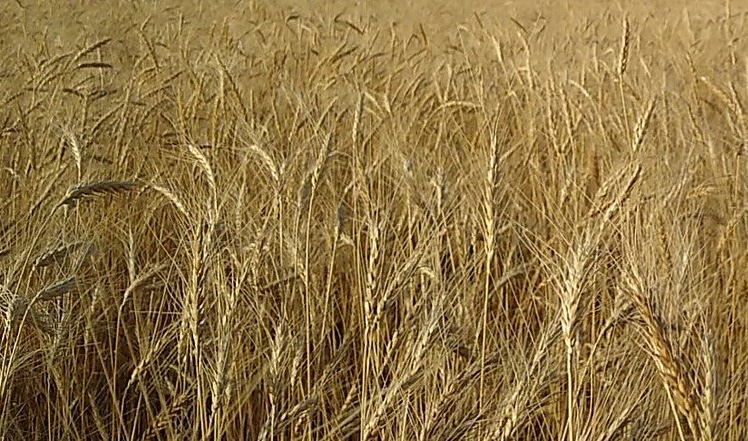
In an additional related study focused on wheat, researchers found that in some plant species “silicon (Si) fertilization can effectively increase crop Si uptake and the formation of phytoliths that occlude organic carbon. This phytolith-occluded carbon (PhytOC) is recognized as a promising long-term biogeochemical carbon sequestration mode in terrestrial ecosystems.” According to Merriam-Webster, phytoliths are microscopic siliceous particles formed by a plant that are highly resistant to decomposition, indicating a mechanism for removal of carbon from the atmosphere for long-term storage in the soil.