
The Important Role of Soil Microbes
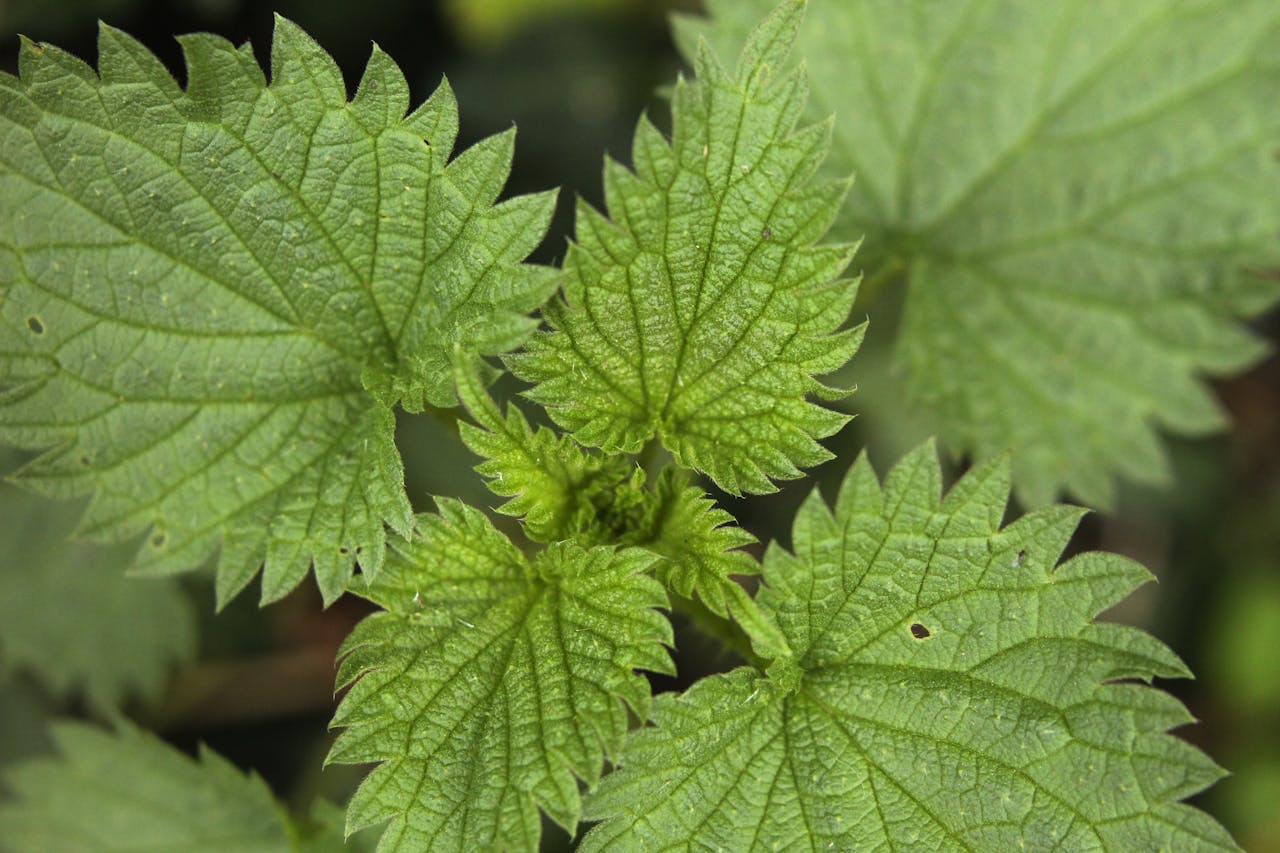
Silicon is the second most prevalent compound on earth, and in an available form, is highly beneficial to plants. Steiner recommended farmers apply regular applications of a mineral form of silicon — generally ground quartz — as well as two plant-based preparations from plants known to be high in silicic acid: stinging nettle (Urtica dioica) and horsetail (Equisetum arvense).
Current research indicates that soil microbes play a crucial role in facilitating silicon uptake in plants. Biodynamic preparations such as the horn manure are shown to increase populations and variety of microbes in the soil, potentially aiding in better assimilation of silicon for crops.
According to a 2018 article in the American Journal of Plant Sciences, “[a]ccumulation of silicon beneath the cuticles fortifies the cell wall against pathogen attack [and]….alleviation of heavy metal toxicity in plants.Silicon further improves growth and physiological attributes under salt and drought stress. Effective use of silicon in agronomy can be an alternative to the prevalent practice of traditional fertilizers for maintaining sustainable productivity. Therefore, soil nutrition with fertilizers containing plant-available silicon may be considered a cost-effective way to shield plant from various stresses, improve plant growth, as well as yield and attain sustainable cultivation worldwide.”
Not all forms of silicon are available for plant uptake, however. In fact, only silicic acid, in monomer form, is useable, and this form is not the most prevalent form of silicon in the soil.
“There are two ways by which Si is bioavailable to the roots. First, (A) the involvement of microbiome species improves the weathering process. Second, (B) substrate utilization enhances silicate mineral weathering using specific alkali and transition metals.”
“Thus, we can hypothesize that microbiome diversity can play a central role in the ionization of silicic acid, cation bridges, and carboxylation, which can help Si assimilate in the rhizosphere [the root zone]. However, the molecular mechanisms by which microbes adapt to Si sequestration under varying soil compositions and stress conditions need thorough investigation. More knowledge is needed on how the Si bioweathering process is initiated by chemical(s) or microbial homeostatic processes to ensure the bioavailability of Si. Thus, soil biogeochemistry and the role of microbes in Si assimilation and transport are essential but overlooked research areas.” (Reference: “Silicon: A valuable soil element for improving plant growth and CO2 sequestration,” ScienceDirect, May 2024)
In Biodynamic systems, microbial enhancement can occur through use of the preparations, particularly the horn manure. The brewed or fermented preparation of Equisetum arvense (508) is another source of both silica and microbial inoculation.
Management practices such as incorporation of cover crops that result in high levels of organic matter in the soil also result in abundant populations of microbes. The process of burying the horn silica for the duration of the growing season may also allow microbes and weathering to occur to the material in advance of its application to Biodynamic crops.
Biodynamic growers must work with the natural processes available to them to make full use of the benefits of the horn silica and other silica-rich preparations. An understanding of the best methods of application and pathways of plant uptake can help guide farmers in their application strategies.